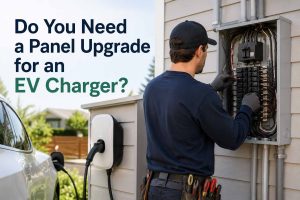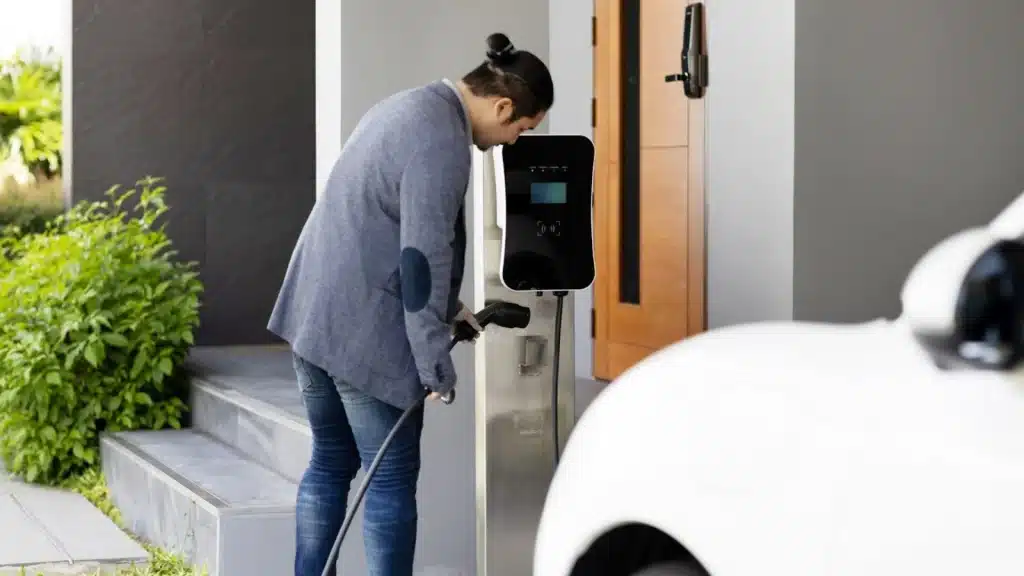
Electric vehicles (EVs) are no longer the future; they’re the present. From the quiet hum of Teslas cruising along Burrard Street to family SUVs charging in North Vancouver driveways, EVs have become part of Vancouver’s everyday life. But while buying an electric car feels exciting, figuring out where and how to charge it can be confusing for many homeowners. That’s where home EV charger installation comes in. It’s one of the smartest upgrades you can make to your home, convenient, safe, and surprisingly affordable when done by a licensed electrician.
In this guide, we’ll walk you through everything you need to know about EV charger installation in Vancouver, including costs, requirements, types, mistakes to avoid, and why hiring a licensed electrician for your EV charger isn’t just recommended but essential.
Why Install a Home EV Charger?
If you’ve recently purchased an electric vehicle, you’ve probably noticed how quickly public charging stations fill up. Waiting 45 minutes in a parking lot isn’t anyone’s idea of convenience, especially after a long day.
Having your own home EV charger means you can plug in overnight and wake up to a fully charged car, no waiting, no scheduling, and no stress.
Top benefits include:
- Convenience: Charge your car whenever you want, right from your driveway or garage.
- Cost savings: Home charging is usually cheaper per kWh than public stations.
- Property value: Buyers see EV-ready homes as future-proof investments.
- Sustainability: Encourages greener habits and reduces reliance on fossil fuels.
And let’s be honest, nothing feels better than knowing your vehicle is powered by clean, locally sourced BC Hydro electricity.
Understanding the Types of EV Chargers
Not all chargers are created equal. Knowing which one fits your lifestyle and vehicle type can save you both time and money.
Level 1 Chargers (Standard Outlet Charging)
- Uses a regular 120-volt household outlet.
- Adds about 8 km of range per hour.
- Great for plug-in hybrids or light daily driving.
Example: If you drive less than 40 km a day, a Level 1 charger might be enough. But for most Vancouver commuters, it’s too slow.
Level 2 EV Charger Installation
This is the most popular choice among Vancouver homeowners. It operates on 240 volts, similar to your dryer or oven outlet.
Advantages:
- Charges 4–6 times faster than Level 1.
- Adds 30–45 km of range per hour.
- Works perfectly for overnight charging.
Most brands like Tesla, ChargePoint, FLO, and Grizzl-E offer Level 2 units that can be wall-mounted indoors or outdoors.
If you’re serious about going electric long-term, a Level 2 EV charger installation is the way to go.
Level 3 (DC Fast Chargers)
These are industrial units that charge a car to 80 % in about 30 minutes. However, they require high-voltage infrastructure and are rarely installed in homes.
What Affects Installation Cost
Several details can change the price of your EV charger installation at Vancouver homes:
- Distance from panel to charger location – Longer wire runs mean higher costs.
- Panel capacity – If your main panel is old or full, you might need a panel upgrade.
- Mounting location – Outdoor installations need weatherproof fittings and conduit.
- Smart vs. basic charger – Wi-Fi-enabled units cost more but offer scheduling and monitoring.
- Permitting requirements – Some municipalities require additional inspection fees.
If you’re unsure whether your panel can handle a charger, a quick home electrical inspection by a licensed electrician can clarify things before you buy.
Choosing the Right EV Charger for Your Home
When choosing a charger, look beyond brand names. Consider your car’s battery size, parking location, and how fast you want to charge.
Smart Chargers vs. Standard Chargers
Smart chargers connect to your Wi-Fi and allow you to:
- Track energy usage
- Schedule off-peak charging (to save on rates)
- Receive notifications when charging is complete.
For example, if you live in West Vancouver, BC Hydro’s time-of-use programs can reduce electricity costs when you charge at night.
Indoor vs. Outdoor Installation
If you park outside, make sure your charger has a NEMA 4 rating or higher for rain and snow protection. Vancouver’s coastal climate can be harsh on electronics.
Future-Proofing Your Setup
Even if you own one EV now, consider a higher-capacity charger (40–50 amps). Many families add a second electric vehicle later, and upgrading wiring twice is costly.
Why You Need a Licensed Electrician for EV Charger Installation
Installing an EV charger isn’t just a matter of plugging in a device; it involves your home’s primary electrical system.
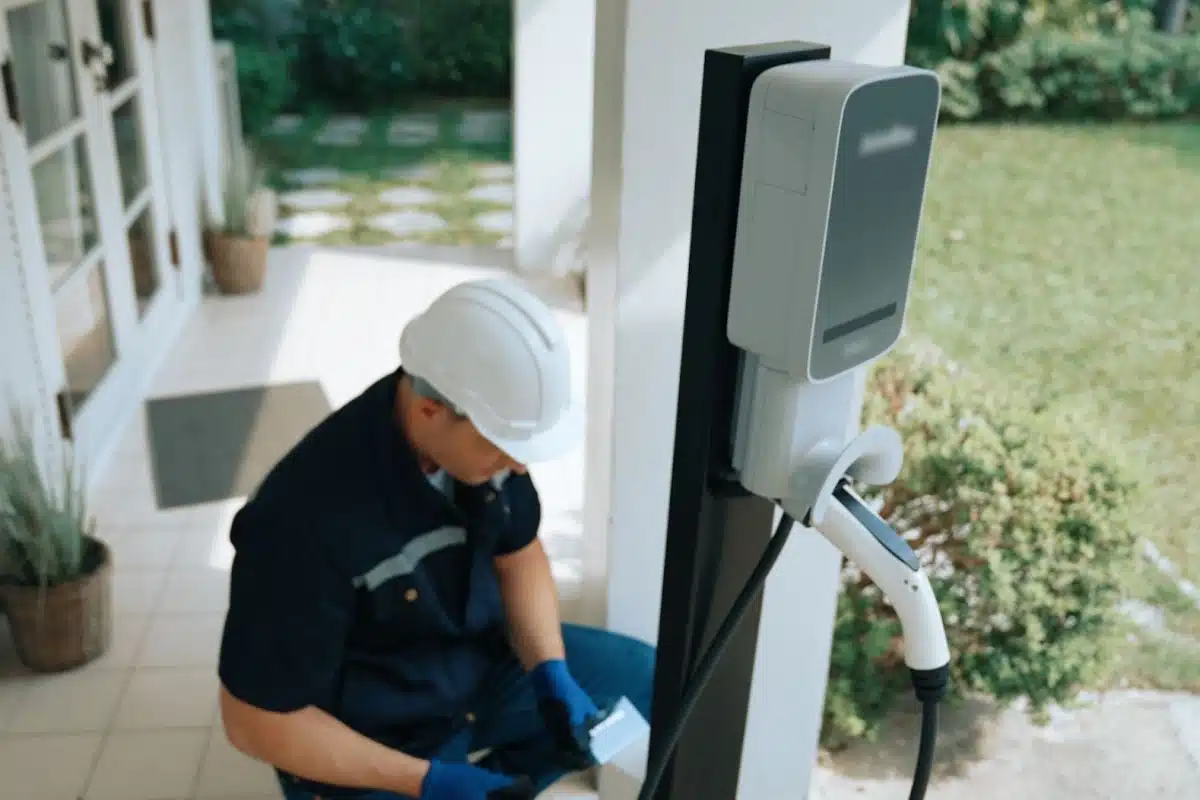
A licensed electrician EV charger professional ensures:
- All wiring meets Technical Safety BC standards
- Proper permits and inspections are completed
- The circuit is correctly sized for your vehicle
- GFCI protection and grounding are up to code
DIY installations or hiring an unlicensed worker can lead to serious fire hazards and even void your insurance coverage.
Think of it this way: would you let an unlicensed person modify your home’s electrical panel? The same logic applies to EV chargers.
Common EV Charger Installation Mistakes (and How to Avoid Them)
Even homeowners with the best intentions can make mistakes when trying to save a few dollars. Let’s be real, electrical safety isn’t an area to cut corners.
Here are the top EV charger installation mistakes Care Electrical’s team has seen over the years:
- Using undersized wiring: Causes overheating and premature failure.
- Skipping permits: Leads to failed inspections or insurance denial.
- Installing too far from the vehicle: The charging cable might not reach comfortably.
- Ignoring ventilation needs: Some chargers require airflow to stay cool.
- Not future-proofing: Installing a 30 A charger when a 50 A circuit would serve you longer.
Avoid these errors by having your project designed and executed by experienced electricians who understand Vancouver’s electrical code and weather conditions.
The Step-by-Step Process of Home EV Charger Installation
If you’ve never gone through it before, here’s what typically happens when you hire Care Electrical or another certified company for your installation:
1. Consultation & Site Assessment
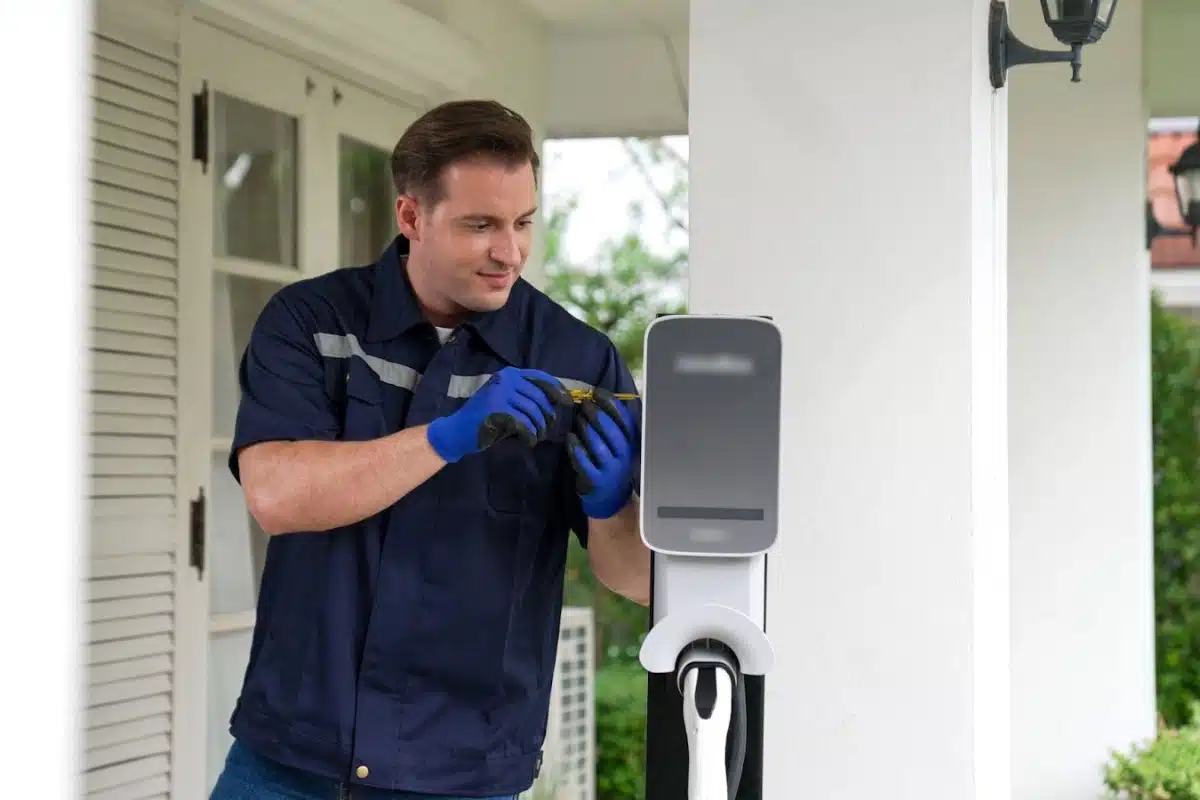
A technician visits your property to check panel capacity, cable routing, and ideal charger placement (garage wall, carport, exterior wall, etc.).
2. Permit Application
The electrician handles all required Technical Safety BC permits. This step ensures the job is recognized as compliant and safe.
3. Installation Day
- Power is temporarily shut off.
- A dedicated 240 V circuit is installed.
- The charger is mounted securely and wired.
- Weatherproofing and labelling are completed.
4. Testing & Inspection
The electrician tests voltage, ground fault protection, and charger communication. In some cases, a city inspector will visit to approve the setup.
5. User Walk-Through
You’ll learn how to operate your charger, check indicators, and monitor usage.
Timeline: Most installations are done within half a day to one full day, depending on complexity.
EV Charger Installation at West Vancouver vs. Vancouver: What’s the Difference?
While both areas fall under BC Hydro’s jurisdiction, West Vancouver homes often have older panels or unique architecture (especially hillside properties). That can affect conduit routing and accessibility.
Vancouver homes, particularly newer condos or townhouses, sometimes already include EV-ready wiring, cutting labour costs dramatically.
Care Electrical has extensive experience in both environments, offering customized approaches for:
- Detached homes
- Townhouses
- Strata buildings
- Commercial parking areas
So whether you need an EV charger installation in West Vancouver or a complete wiring setup in downtown Vancouver, the process is equally smooth, just tailored to your home.
Rebates and Incentives Available in BC
As part of the province’s clean-energy goals, several rebate programs exist:
- CleanBC Go Electric Rebate – Up to $350 off a Level 2 charger for single-family homes.
- BC Hydro Residential Rebate – Similar incentives plus guidance for strata buildings.
- Federal incentives for multifamily dwellings – Support for condo and apartment installations.
These programs can change yearly, so always check for the latest offers before buying your unit.
Preparing Your Home for an EV Charger
Before the electrician arrives, here are a few things you can do:
- Clear space around your electrical panel.
- Decide where your car will usually park.
- Ensure Wi-Fi coverage if you’re installing a smart charger.
- Have your vehicle’s charging specs ready (amperage, plug type).
These small steps make the process faster and prevent unexpected changes during installation day.
EV Charger Installation: How to Choose the Right Company
when you search for EV charger installation you’ll find dozens of listings. But not all are equal. Here’s how to identify the right one:
- Licensed & insured electricians – Always ask for a Technical Safety BC licence number.
- Experience with EV systems – Not every electrician has done these before.
- Positive local reviews – Check Google ratings and past project photos.
- Transparent pricing – Avoid hidden permit or material fees.
- After-service support – Choose someone who offers warranty and follow-up help.
Care Electrical checks all these boxes, combining 30 + years of electrical experience with specialized EV expertise.
What About Strata or Multi-Unit Buildings?
EV adoption in condos across Vancouver and Burnaby is growing fast.
For multi-unit residences:
- Owners often need strata council approval.
- Load-sharing devices may be installed to manage shared electrical capacity.
- Dedicated meters can help track individual power use.
Care Electrical assists property managers and strata councils by providing design, load calculation, and complete installation services that meet provincial codes.
Safety Considerations You Should Never Overlook
Electricity and water don’t mix, and Vancouver gets plenty of rain.
That’s why professional installers take extra precautions, including:
- Weatherproof enclosures (NEMA 4 rated)
- Proper grounding and GFCI breakers
- Secure conduit runs to prevent moisture entry.
- Regular maintenance checks
It’s a long-term investment in both safety and peace of mind.
Maintenance and Troubleshooting
Your charger doesn’t require much maintenance, but basic care helps it last years longer:
- Inspect the cable regularly for wear or fraying.
- Keep connectors clean and dry.
- Check indicator lights after every use.
- Schedule annual inspections, especially if installed outdoors.
If your charger ever fails to start, check your circuit breaker first. If that doesn’t help, contact your installer. Never attempt internal repairs yourself.
Real Example: A Vancouver Homeowner’s Experience
Last spring, a homeowner in Kitsilano contacted Care Electrical after buying a new Hyundai IONIQ 5. Their 100-amp panel couldn’t support a Level 2 charger without tripping breakers.
Our team upgraded the panel to 200 amps, installed a FLO G5 charger, and completed the job in one afternoon, fully permitted and inspected.
They later told us, “It’s the best upgrade we’ve made to our home since the kitchen renovation.”
Stories like these show that EV charging isn’t just about convenience, it’s about smart, future-proof living.
Environmental Impact and the Vancouver Lifestyle
Vancouverites care deeply about sustainability. Choosing an EV and installing a home charger aligns with the city’s Greenest City 2030 goals.
Every home-based charger means fewer idling cars, shorter charging lineups, and reduced grid strain. It’s a small act with a significant collective impact, one that keeps our mountains cleaner and our air fresher.
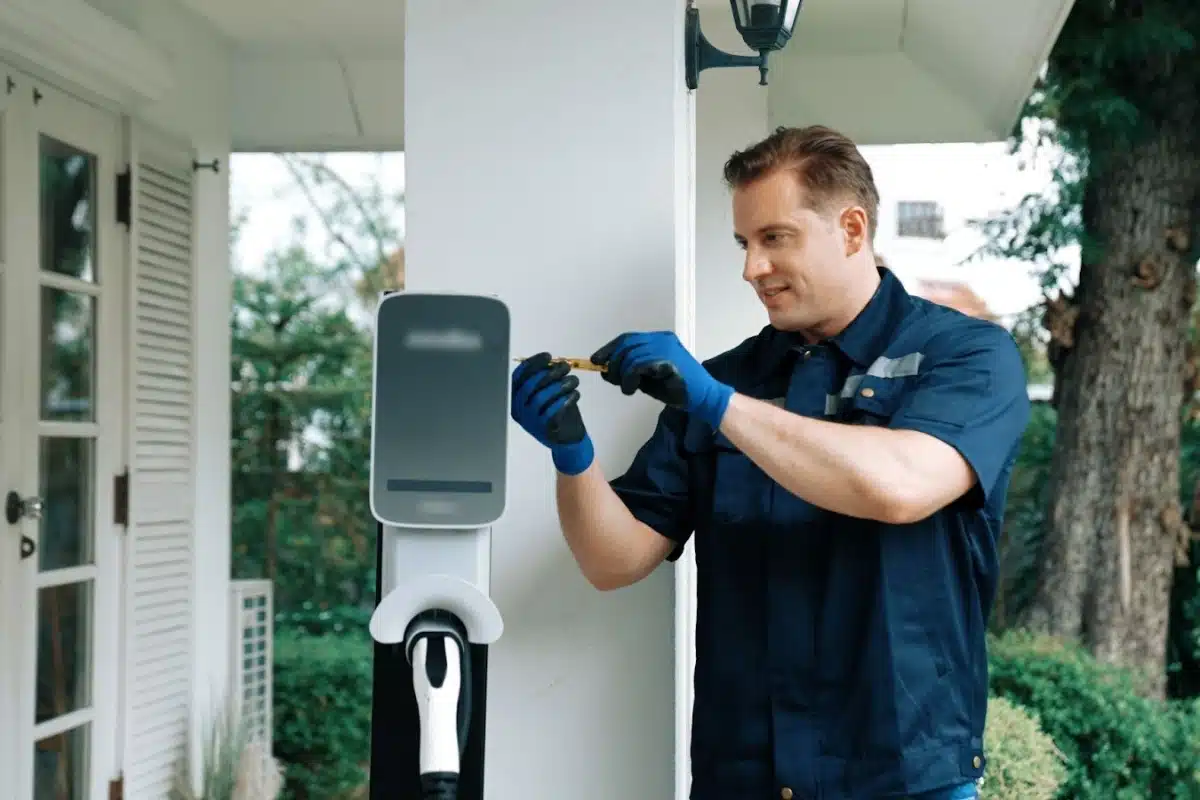
Troubleshooting Permits and Regulations
Each municipality within Metro Vancouver has slightly different requirements. Generally, you’ll need:
- A permit from Technical Safety BC
- An inspection before final approval
- Proof of installation by a licensed electrician
Homeowners sometimes try to skip this process to save time, but skipping permits can lead to penalties or safety issues down the road. Care Electrical manages this paperwork for you, making the experience smooth and fully compliant.
Future of Home EV Charging in BC
As BC aims to phase out new gas-powered vehicle sales by 2035, the demand for reliable home charging will continue to rise. Expect to see:
- Faster chargers (up to 80 A) are becoming standard.
- Integration with solar panels and battery storage
- Smart-grid connectivity for energy efficiency
Homeowners who install chargers today are ahead of the curve, ready for every innovation that’s coming next.
Conclusion
Switching to electric isn’t just about buying a car; it’s about transforming the way you live.
A home EV charger installation makes your daily routine effortless, saves you money, and increases the value of your home.
If you’re a homeowner in Vancouver, West Vancouver, North Vancouver, or Burnaby, trust Care Electrical, a licensed electrician team with over 30 years of experience, to deliver a safe, reliable, and future-ready installation.
Ready to install your charger?
Contact Care Electrical today for a free quote, and let’s make your transition to electric driving smooth, safe, and simple.