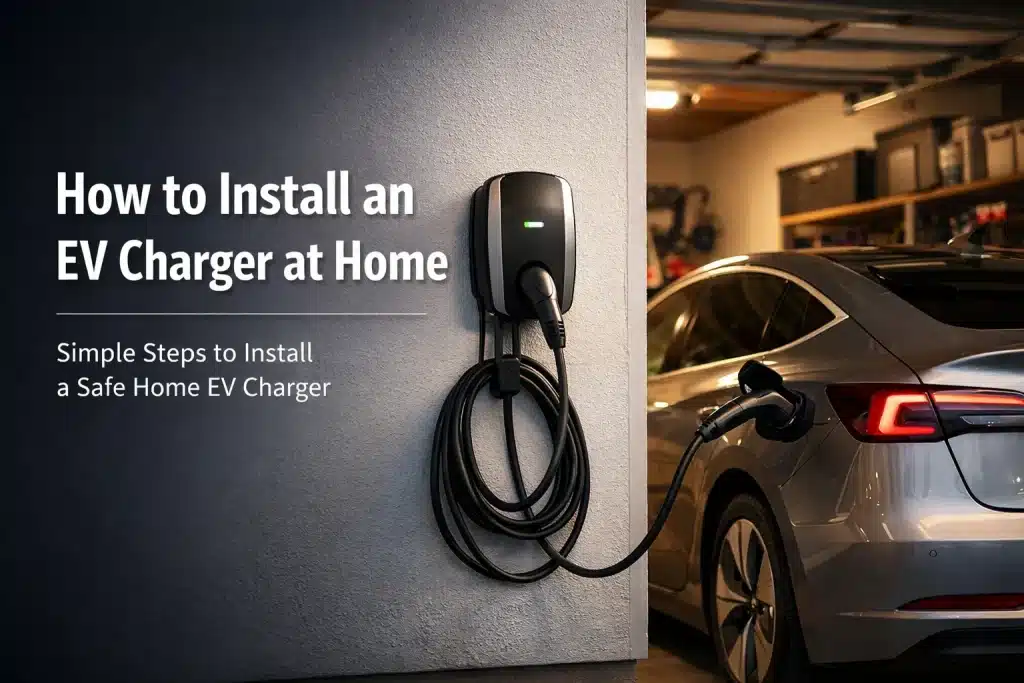
Electric vehicles are becoming a normal part of everyday life across Vancouver, North Vancouver, West Vancouver, and Burnaby. As more homeowners switch to EVs, many begin asking the same practical question: how to install an EV charger at home. While public charging stations exist, relying on them daily is not always convenient. Installing a home charger allows you to plug in overnight and start every morning with a fully charged vehicle.
The Growing Demand for Home EV Charging in Metro Vancouver
Electric vehicles are growing quickly in Canada, especially in British Columbia. In fact, BC has some of the highest EV adoption rates in North America.
Why? A few key reasons:
- Government incentives
- Rising gas prices
- Environmental awareness
- Improved EV battery range
Many homeowners who purchase their first EV soon start researching how to install an EV charger at home. Public charging stations are helpful, but home charging is what makes EV ownership truly convenient.
Let’s be real for a moment. Nobody wants to sit in a parking lot waiting for their car to charge every night.
With a home charger, the process becomes effortless. Plug in. Sleep. Drive.
Understanding the Different Types of EV Chargers
Before diving into how to install an EV charger at home, it helps to understand the types of chargers available.
Level 1 Chargers
This is the charger that usually comes with the vehicle.
It plugs into a standard 120V outlet.
Charging speed:
- 5 to 8 kilometres of range per hour
Level 1 chargers technically allow EV owners to charge their cars at home. However, they are extremely slow. For drivers who commute daily, this can be frustrating.
Many homeowners who are searching for how to install an EV charger at home want something faster.
Level 2 Chargers
This is the most common home charging solution.
Level 2 chargers use a 240V electrical circuit, similar to an electric dryer.
Charging speed:
- 30 to 80 kilometres of range per hour
This is the charger most professional electricians install when homeowners ask how to install an EV charger at home.
Level 3 Chargers
These are fast chargers typically found at public stations.
They are not used in residential homes due to power requirements.
So when people research how to install an EV charger at home, they are almost always talking about Level 2 chargers.
Why Professional Installation Matters
Some homeowners consider installing a charger themselves. On the surface, it might look simple.
But electrical systems are not something to experiment with.
Learning how to install an EV charger at home safely involves:
- Electrical panel capacity
- Dedicated circuit installation
- Breaker sizing
- Wiring calculations
- Local electrical codes
- Safety inspections
A licensed professional, like Care Electrical Services, ensures that everything is installed properly and meets Technical Safety BC regulations.
In places like North Vancouver and West Vancouver, permits and inspections may also be required.
Working with a licensed electrician in West Vancouver ensures the installation is safe and approved.
Step-by-Step Guide: How to Install an EV Charger at Home
Now, let’s explore the real process of installing an EV charger at home.
Step 1: Evaluate Your Electrical Panel Capacity
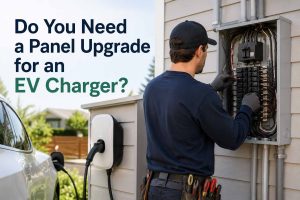
The first step when figuring out how to install an EV charger at home is checking your electrical panel.
Most EV chargers require:
- 240V circuit
- 40A to 60A breaker
Older homes in Vancouver may only have 100A panels.
If your panel is already near capacity, an electrical panel upgrade might be required.
This is why homeowners often search for an electrical contractor near me before starting the installation.
A licensed electrician will calculate load capacity to determine if your panel can handle the charger.
Step 2: Choose the Right Charger
The next step in installing an EV charger at home is selecting the right charger.
Consider:
- Charging speed
- Vehicle compatibility
- Smart features
- Wi-Fi connectivity
- Outdoor or indoor installation
Many chargers include smart apps that allow homeowners to schedule charging times during off-peak electricity hours.
That can reduce energy costs significantly.
Step 3: Determine Installation Location
Where should the charger go?
Good locations include:
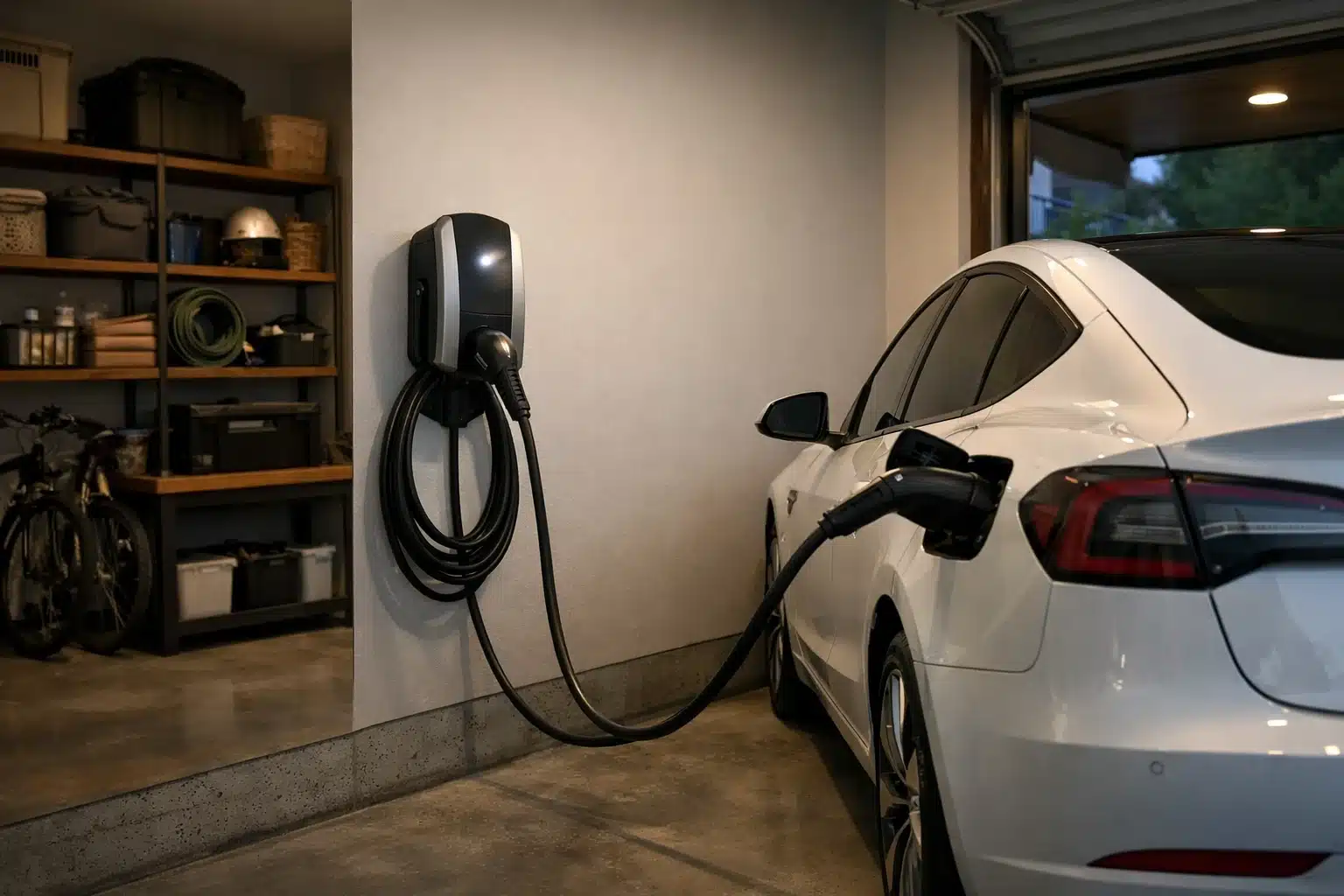
- Garage wall
- Exterior wall near driveway
- Carport area
When determining how to install an EV charger at home, electricians consider cable length, weather protection, and accessibility.
Placement is more important than many people think.
A poorly positioned charger can make daily charging inconvenient.
Step 4: Install a Dedicated Electrical Circuit
EV chargers must be connected to a dedicated circuit.
This means the charger cannot share power with other appliances.
During the process of how to install an EV charger at home, electricians will:
- Run new wiring
- Install a dedicated breaker
- Connect the charger safely
This prevents electrical overload and improves safety.
Step 5: Mount the Charging Unit
Once wiring is installed, the charger unit is mounted to the wall.
This part of how to install an EV charger at home includes:
- Secure wall mounting
- Cable management
- Weatherproof sealing for outdoor units
The goal is to ensure the installation remains durable for years.
Step 6: Electrical Testing and Safety Checks
After installation, electricians test the system.
Testing includes:
- Voltage verification
- Circuit protection checks
- Grounding verification
- Charger functionality
This is one of the most critical steps when learning how to install an EV charger at home.
Safety always comes first.
Electrical Requirements for Home EV Chargers
Understanding electrical requirements is essential when researching how to install an EV charger at home.
Most Level 2 chargers require:
- 240 volts
- 40 to 60 amp breaker
- Heavy gauge wiring
- Ground fault protection
Homes built decades ago in Vancouver sometimes require upgrades before installing an EV charger.
That is why homeowners frequently contact electrical services near me for a professional inspection.
Permits and Electrical Codes in British Columbia
Another important part of how to install an EV charger at home involves local electrical regulations.
In BC, many installations require:
- Electrical permits
- Safety inspection
- Code compliance
Licensed electricians handle these steps.
Trying to install a charger without proper permits can create problems when you sell your home later.
Typical Cost of Installing an EV Charger at Home
Many homeowners researching how to install an EV charger at home also want to understand installation costs.
Costs vary depending on:
- Panel capacity
- Distance from electrical panel
- Charger model
- Wiring requirements
Typical installation costs in Metro Vancouver range between:
$800 to $2,500
If panel upgrades are required, costs can increase.
You can read a detailed guide here:
How much to install an EV charger at home?
Real Life Example: A North Vancouver Installation
Let’s look at a typical scenario.
A homeowner in North Vancouver recently purchased a Tesla Model Y.
At first, they charged using a standard wall outlet.
After two weeks, they realized the charging speed was painfully slow.
They contacted an electrician to learn how to install an EV charger at home properly.
A Level 2 charger was installed in their garage with a dedicated 50A circuit.
The result?
Their vehicle now charges overnight in about 6 hours, down from 24.
That is the difference professional installation can make.
If you live locally and need an EV charger in North Vancouver, professional electricians can safely evaluate your home.
Common Mistakes Homeowners Make
While researching how to install an EV charger at home, many homeowners make a few common mistakes.
Underestimating Electrical Capacity
Older panels may not support EV chargers.
Installing the Wrong Charger
Not all chargers are compatible with every EV.
DIY Electrical Work
Electrical work requires training and licensing.
Poor Placement
Installing the charger in the wrong location can make daily charging inconvenient.
Avoiding these mistakes saves time, money, and frustration.
Benefits of Installing an EV Charger at Home
Installing a charger offers several advantages.
Convenience
Charge overnight at home.
Lower Charging Costs
Home electricity rates are often cheaper than public stations.
Faster Charging
Level 2 chargers dramatically reduce charging time.
Property Value
Homes with EV charging infrastructure are becoming more desirable.
All these benefits explain why more people search for how to install an EV charger at home every year.
Why More Vancouver Homeowners Are Switching to EV Charging
Electric vehicles align well with Vancouver’s environmental goals.
Lower emissions. Cleaner air. Quiet streets.
Installing a charger is a natural next step.
Understanding how to install an EV charger at home helps homeowners make the transition smoothly.
Choosing the Right Electrician
When it comes to electrical installations, experience matters.
Professional electricians ensure:
- Code compliance
- Safe installation
- Long-term reliability
A trusted company like Care Electrical Services has experience installing EV chargers across Vancouver, Burnaby, West Vancouver, and North Vancouver.
Searching for an electrical contractor near me often leads homeowners to professional electricians who specialize in EV charger installations.
Conclusion
Electric vehicles are shaping the future of transportation in Canada. As more drivers make the switch, the need for reliable home charging continues to grow.
Understanding how to install an EV charger at home allows homeowners to enjoy the full benefits of electric vehicle ownership. From evaluating electrical panels to selecting the right charger and ensuring safe installation, each step plays an important role.
While it might seem straightforward at first, the safest approach is always working with a licensed electrician who understands local codes and electrical systems.
With proper installation, charging your EV becomes effortless. Plug in when you get home. Wake up with a full battery. Drive with confidence.
Ready to Install Your EV Charger?
If you are thinking about how to install an EV charger at home, the best step is to speak with a licensed professional.
Care Electrical Services provides expert EV charger installation across Vancouver, North Vancouver, West Vancouver, and Burnaby.
Visit the website to learn more: https://careelectrical.ca/
Or find us directly on Google Maps and request a quote from a trusted local electrician.
Our team can evaluate your home, recommend the right charger, and install it safely so you can start charging your vehicle at home with confidence.